 Real Estate TeamLet's talk
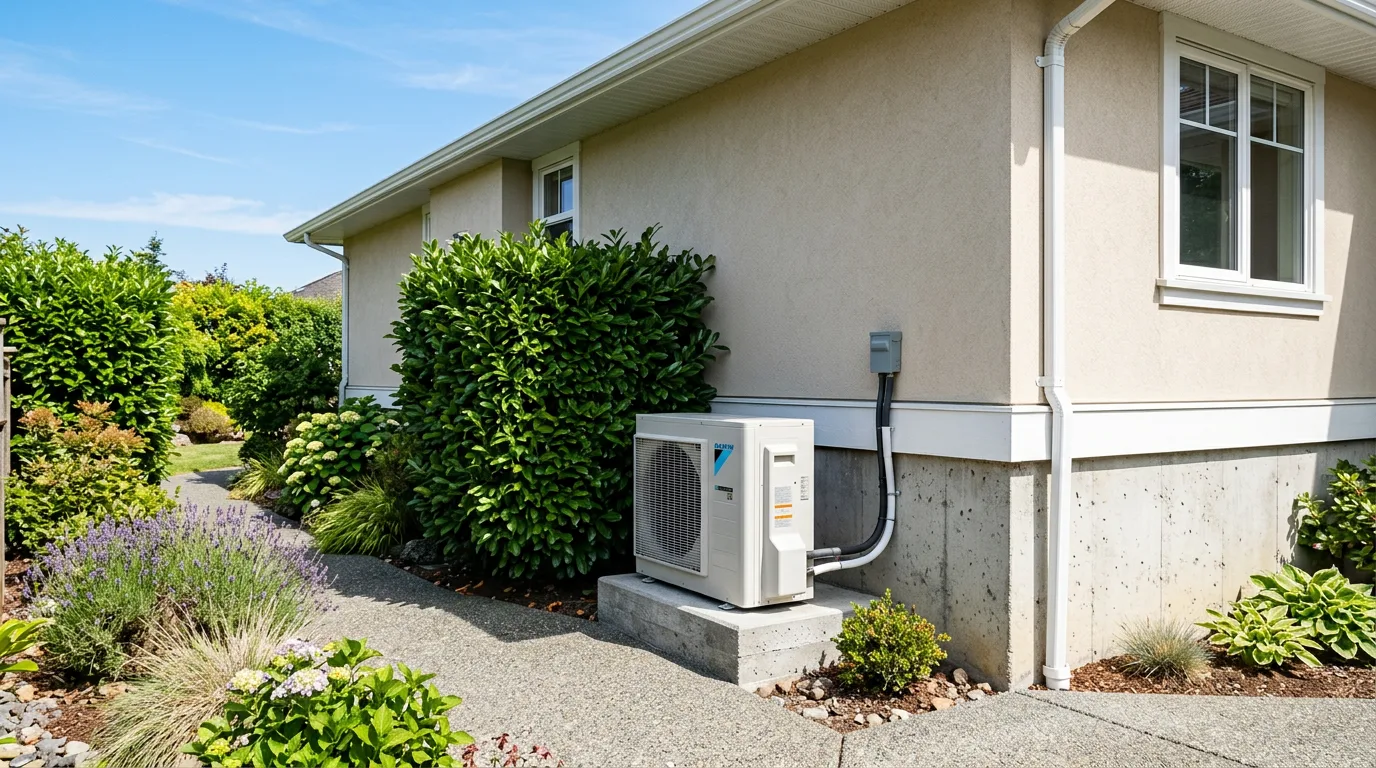
A heat pump moves heat from outside air into the home in winter and from inside air to outside in summer. On Vancouver Island the mild winter temperature keeps a cold-climate air-source heat pump efficient on all but a few days a year. Ground-source heat pumps are available but less common on urban lots because they need yard space for a loop field.
If you heat with oil today, the switch to a heat pump also removes the oil tank from the home. In Saanich an underground oil tank that has been out of service for more than two years must be removed under permit from the Saanich Fire Department, with soil testing by a qualified environmental professional. Build the removal cost and timeline into your renovation budget.
If you heat with natural gas today, the switch is simpler because there is no tank to remove. The gas meter and line can remain in place for a gas range, a fireplace or a backup heat source, or they can be capped off by FortisBC on request. A hybrid heat pump keeps the gas furnace as a backup for the coldest days; an all-electric switch retires the furnace.
Electrical capacity is the single most common surprise. A full heat pump install usually needs a 200-amp service, and some older Greater Victoria homes are still on a 100-amp panel. A licensed electrician can assess the panel and the service entrance, and give you the upgrade cost before the heat pump quote lands.
Rebate funding changes often. The CleanBC Better Homes program, run with BC Hydro and FortisBC, offers rebates for a qualifying electric or hybrid heat pump install, with a top-up for income-qualified households. Federal programs have also funded oil-to-heat-pump switches for eligible households. Confirm the current amounts and the application steps with an energy coach at 1-844-881-9790 before you sign a contractor contract, because most rebates require a pre-install energy evaluation.
Ask each contractor for a written heat-load calculation on the home, not a sizing based on the furnace already in place. An oversized unit cycles too often and wastes capacity; an undersized unit runs the backup element in winter. Ask for a ducted or ductless design that matches the layout, the model numbers the quote covers, the compressor warranty period and the installer warranty on labour.
Confirm the contractor is registered with the Program Administrator before you commit. The rebate programs maintain a public list of registered contractors; a quote from a contractor outside that list cannot be submitted to the rebate. Check references, current certification and insurance.
Plan the install outside the coldest weeks of the year where possible. A heat pump swap in late winter or spring gives the installer flexibility if the panel upgrade or the duct work takes extra days, and gives you time to calibrate the controls before the following winter.
The sources below were reviewed on November 25, 2026. Rebate amounts and program names change; confirm the current offers before you rely on this summary.
Sources
For current information about buying or selling in Greater Victoria, contact Dane.