 Real Estate TeamLet's talk
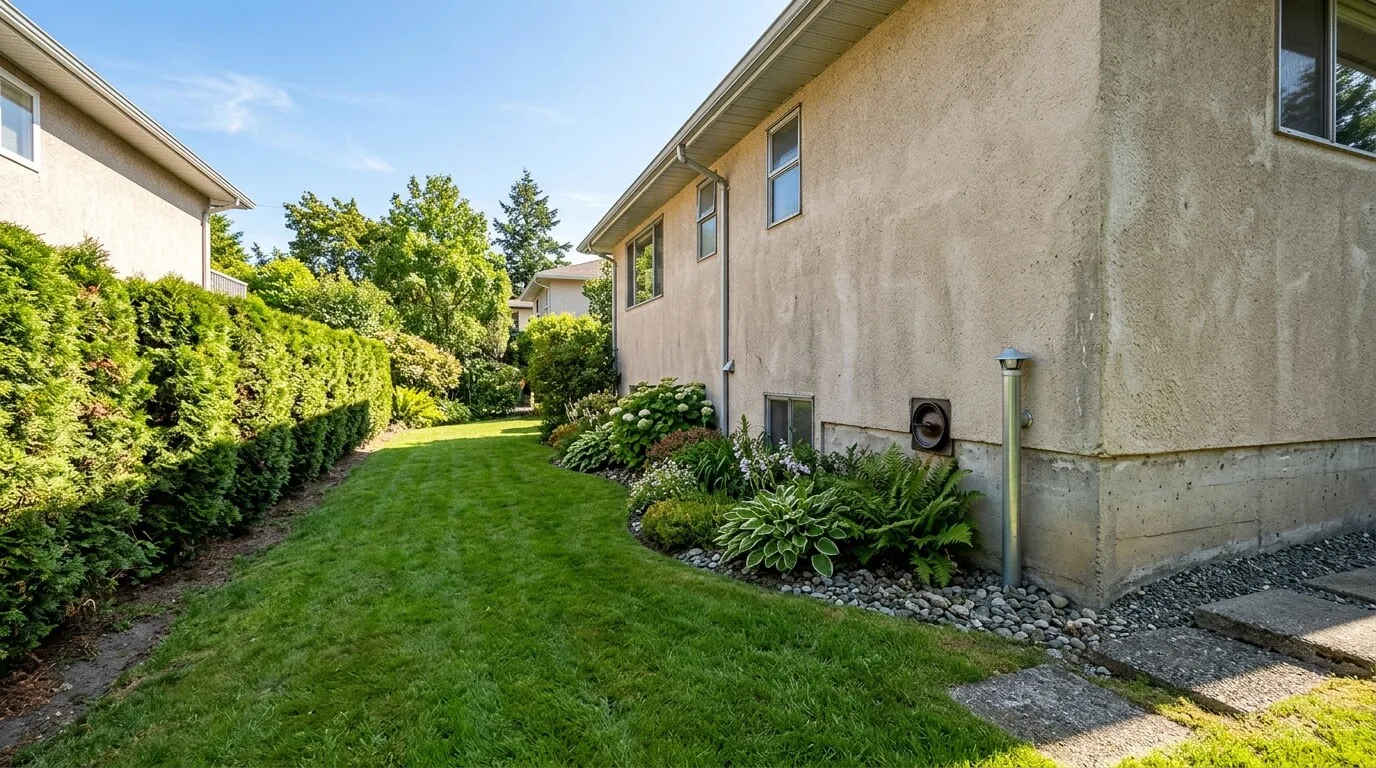
Many Greater Victoria homes built before the mid-1960s were heated with oil, and some of those tanks remain on the property. Above-ground tanks in a basement or outside against a wall are the easier case. Buried tanks in the yard need careful attention from both sides of a sale.
In Saanich, an underground tank that has been out of service for more than two years must be removed, and removal requires a permit from the Saanich Fire Department. Soil testing by a qualified environmental professional is part of the permit process, and the report must be provided before removal is approved. Other municipalities in Greater Victoria have their own rules; confirm the local requirement with the fire prevention office or building department before planning work.
A home insurer will almost always ask about the heating source and any history of an oil tank. Most Canadian home insurance policies exclude pollution and contamination from oil spills, and insurers can decline to bind a policy on a property with a buried tank of unknown status. Speak with your broker early so the insurance timing fits your closing.
For a buyer, add an oil tank question to your subject period. Ask the seller to confirm in writing that the tank was removed under permit, and request the removal permit, the soil test and the environmental sign-off. A disclosure that a tank was decommissioned decades ago should be read alongside the actual permit and soil report.
For a seller, order the records before you list. If the tank remains on the property, obtain quotes from a licensed contractor and your municipality's permit office, and decide whether to remove before listing, list with the removal priced into the deal, or offer a credit on closing. Each choice changes the buyer pool and the time to sell.
If a soil test finds contamination, remediation can mean replacing contaminated soil with clean fill. The cost and timing are case by case and are almost always the owner's responsibility. Build a contingency into your transaction timeline and discuss the financial side with your lawyer or accountant before you commit to a completion date.
The sources below were reviewed on November 15, 2026. Rules and fees change; confirm current requirements with the municipality and your insurer before relying on this summary.
Sources
For current information about buying or selling in Greater Victoria, contact Dane.