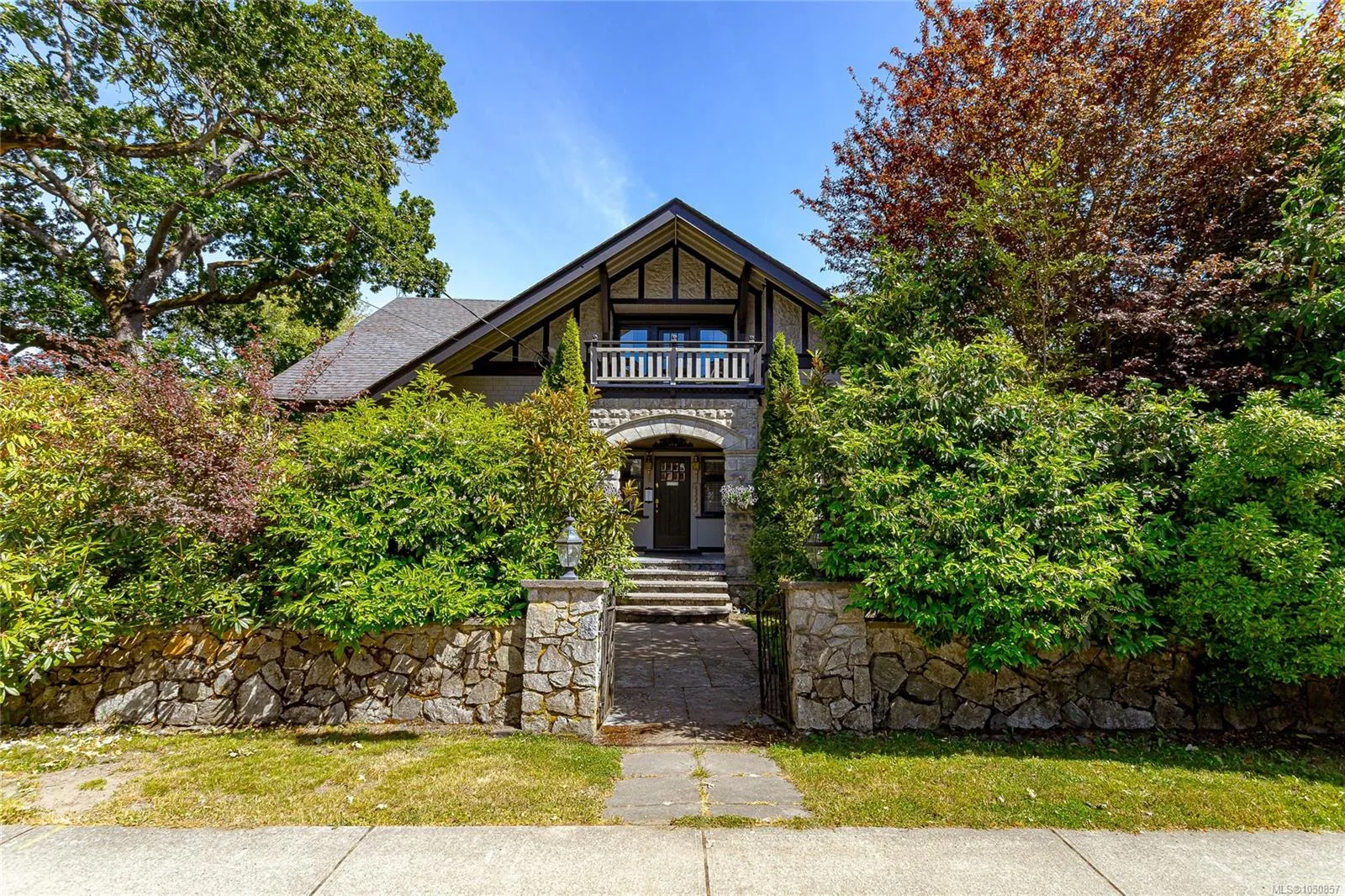
Plan for property tax, inspections, disclosure, local rules and insurance when you move to a larger single-family house.
Moving to a larger single-family house in Greater Victoria and the duties that come with owning one.
Updated
Kingsbury Real Estate Team wrote this page as general information for British Columbia. Use it to prepare your questions. A lawyer or notary answers legal questions about your purchase or sale, an accountant answers tax questions, and your lender answers mortgage questions.
What does a larger house add?
A larger house can add bedrooms, outdoor space and storage. It can also add maintenance, cleaning, heating and property tax. Compare the whole home and its responsibilities. Kingsbury Real Estate Team focuses on single-family homes in Saanich, Oak Bay and Victoria.
A house has no strata corporation, so the owner arranges the repairs, the insurance and the upkeep of the whole property. Write down the tasks you want to keep and the ones you want to hire out. Add the cost of each to your monthly budget for the next home.
The BC Financial Services Authority (BCFSA) states that municipal property taxes are paid each year, and that lenders usually require property insurance. BC Assessment explains that most assessed values use July 1 of the previous year and that an assessment is a tax valuation reference. It does not guarantee a current sale price.
Use the assessment together with recent sales of similar homes when you compare prices. Ask your licensee for comparable sales in the area. For the home owner grant that may reduce tax on the home where you live, read our guide on the costs of moving between homes and then the province page.
BCFSA adds that some taxes are due once at purchase, while others are paid monthly with your mortgage or each year, such as municipal property tax. Ask your lender which of these it collects with your payment.
BCFSA advises buyers to have a property inspected by a licensed professional. It explains that a home inspection is a visual inspection and that hidden defects may not be found. Ask the inspector to outline the areas that will be covered before you hire them.
Plan the inspection as a condition in your offer, with a removal date that allows time for the report and for any follow-up visit by a specialist. Read the report together with the seller’s property disclosure statement, if there is one. Ask about the roof, drainage, the electrical and gas systems and any renovation permits.
BCFSA says sellers have a duty at common law to disclose material latent defects, and that licensees must also disclose a defect that would involve great expense to remedy, certain local government notices and a lack of appropriate municipal permits. Renovations or new electrical or gas work done without the right permits and inspections are listed as examples.
A property disclosure statement is a voluntary form about the condition of the home. Ask for one. If a seller offers a no-disclosure form instead, discuss with your licensee and lawyer what extra inspection you want before you remove conditions.
Zoning and community plans shape what you may build or add. The City of Victoria says zoning controls permitted use, building size, lot requirements and parking. The District of Saanich explains that its official community plan sets planning directions and development permit areas.
In Oak Bay, the district describes a Prospect heritage conservation area with guidelines for a defined set of streets. Not every older house has the same heritage status. Check the rules for the exact address before you plan a renovation, and read our community guides for each area.
Ask the municipality for the permit history of the address, and ask the seller for copies of any approved plans for past work.
The Province of British Columbia runs a property tax deferment program. Its regular program is for people who are 55 or older, surviving spouses and people with disabilities. The province pays the tax and the loan carries interest. Approval places a restrictive lien on the property and limits the changes you can make to the title.
The eligibility page says applicants must have lived in British Columbia for at least one year and must hold at least 25% equity under the regular program. If you are thinking about the program, ask the province how it affects a sale or purchase before you make an offer.
BCFSA says most lenders require you to keep your property insured against damage, and that you should ask your lender what amount and what types of insurance it requires, such as fire and flood. Ask early, so that your cover can start on the date you become responsible for the home.
Ask an insurer to quote the home before you remove your conditions, and ask what the policy would exclude. Your insurer may ask about the age of the wiring, the roof and any renovations, so keep the seller’s disclosure statement and inspection report together.
BC Housing explains that new homes built by licensed builders require home warranty insurance, with exemptions. The coverage is often described as 2-5-10, with sublimits and different start dates for each part, and remaining coverage generally stays with the home.
If you are considering a newly built house, ask the builder for the warranty documents and read what each period covers. Our guide to new construction describes the rescission period and the pre-sale rules in more detail.
What should I budget for when I move to a larger house?
BCFSA lists legal or notary fees, an inspection, taxes due at purchase, insurance and annual municipal property tax. A larger house can also raise heating, cleaning and repair costs. Add each cost to your monthly budget and ask your lender to show the payment for the price range you are considering.
No. BC Assessment explains that most assessed values use July 1 of the previous year and that an assessment is a tax valuation reference that does not guarantee a current sale price. Ask your licensee for recent sales of similar homes to compare with the asking price.
Does the home owner grant apply to a house I buy mid-year?
It can. Whether you qualify depends on whether the previous owner claimed the grant and whether you live in the home when you apply. The guide to what it costs to sell one home and buy another lists each condition. Read the province page for the current rules.
BCFSA states that most lenders require you to keep your property insured against damage and that you should ask your lender what amount and types of insurance it requires. Contact an insurer before completion so that cover starts when you become responsible for the home.
BCFSA explains that a home inspection is a visual inspection and that hidden defects may not be discoverable. Ask the inspector to outline the areas they will cover. The cost depends on the size of the property. Put the inspection into your offer as a condition with enough time for the report.
BCFSA defines it as a defect that a reasonable inspection cannot find, including one that makes the home dangerous, unfit to live in or unfit for the purpose the buyer made known. Sellers must disclose such defects, and licensees must also disclose defects that involve great expense to fix.
BCFSA lists a lack of appropriate municipal permits among the circumstances a licensee must disclose, and gives unpermitted electrical or gas work as an example of a material latent defect. Ask the seller which renovations were permitted, and ask your lawyer how to include permit questions in your conditions.
The City of Victoria explains that zoning controls permitted use, building size, lot requirements and parking, and it provides a map to find the zoning of a parcel. Saanich and Oak Bay publish their own plans and bylaws. Check the rules for the exact address before you buy for a renovation plan.
No. The District of Oak Bay describes guidelines for the Prospect heritage conservation area, which covers a defined set of streets. Not every older house has the same heritage status. Check the specific address with the district before you plan changes, and ask your licensee how a designation would affect your plans.
The Province of British Columbia says its regular program is for people who are 55 or older, surviving spouses and people with disabilities. Applicants must meet the residency and equity rules, and approval places a lien on the property. Ask the province how deferment would affect a sale or purchase.
 Real Estate TeamLet's talk