 Real Estate TeamLet's talk
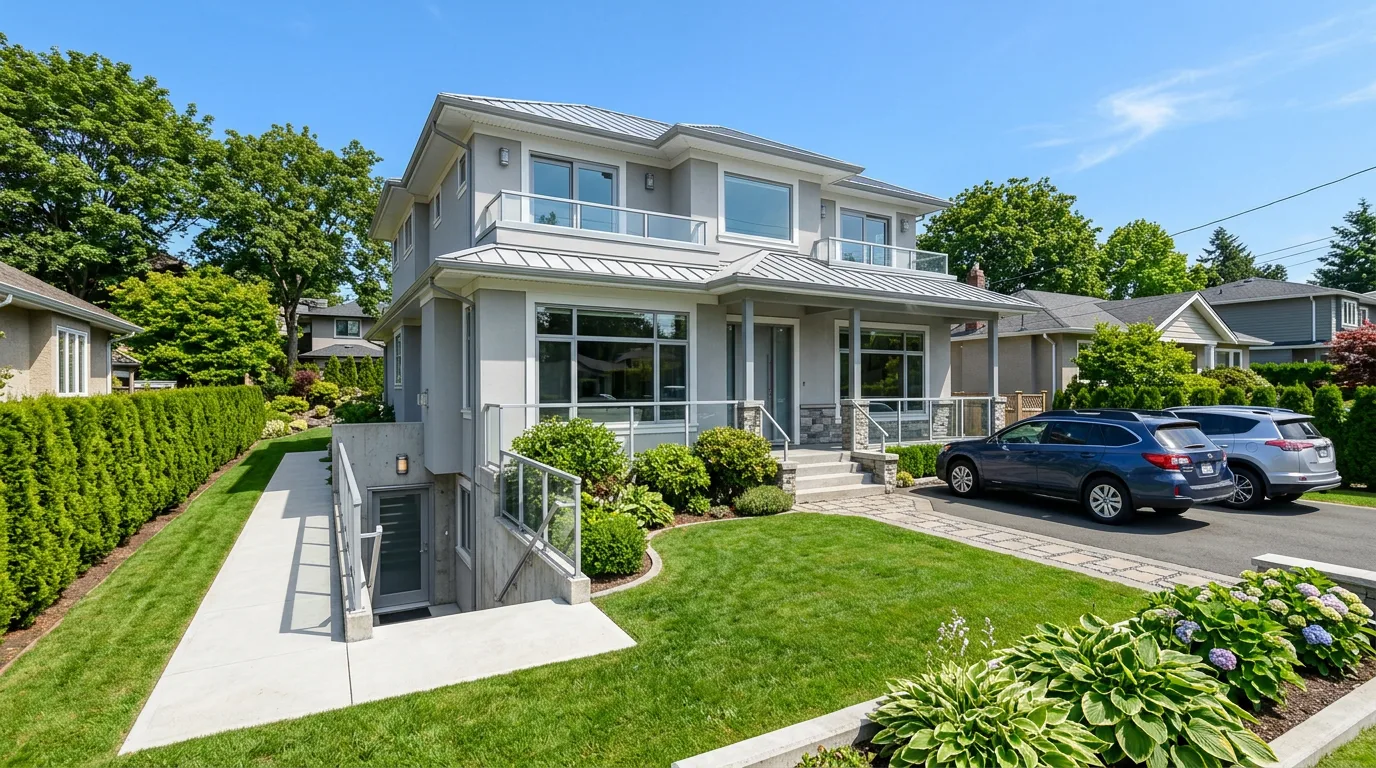
Many Saanich houses include a lower-level or basement suite advertised as a mortgage helper. For a buyer, the first question is whether the suite is legal in the district's records, not just visible when you tour the home. A listing description, a rental figure in the MLS remarks and photographs of a separate entrance each describe what the home looks like today; they do not confirm Saanich recognises the suite.
Ask the listing agent for the legal address, the folio number and any available permit history for the suite. Saanich has worked through several generations of secondary suite bylaws since the 1990s, and a suite built or converted without a permit may not appear in the municipal records at all. The District's planning counter or Property Information service can confirm what Saanich holds for the property.
For a legal secondary suite the common requirements are a building permit for the original construction or a later conversion, a plumbing and electrical permit for the new fixtures and circuits, separate egress from the suite, interlinked smoke alarms, and the fire-separation and sound-separation details set out in the British Columbia Building Code. A legal suite is counted as a second dwelling unit and often triggers a separate parking stall requirement, depending on the zoning and the year the suite was approved.
The May 2026 Small-Scale Multi-Unit Housing update expanded the housing forms permitted on many Saanich lots, so a lot that could not host a suite under its older zoning may now qualify. The new rules do not automatically legalise an existing unpermitted suite. A retrospective permit is a separate application and may require work to bring the suite up to the current building, fire and plumbing standards.
Your home insurer will ask about the suite. Most Canadian home policies treat a legal secondary suite as part of the covered home with a rented-portion endorsement, and treat an unpermitted suite as a disclosure issue. Call the insurer before you remove your subject conditions so you understand the premium and any exclusions that apply.
A mortgage lender may count a share of the suite rent toward your income qualification when the suite is legal and the lender has a copy of the lease or a market-rent appraisal. For an unpermitted suite most lenders will not include rental income. Talk to your mortgage broker before you decide what you can offer.
The British Columbia Residential Tenancy Branch governs the relationship between a landlord and a tenant in a self-contained suite. Review the tenancy agreement left behind on an existing lease before you close, because a signed fixed-term lease generally continues with the new owner. An owner who plans to use the suite personally has defined notice and compensation rules to follow.
Walk through the suite with the main floor and ask whether the current layout matches the permitted use on file. If the suite is advertised as legal but does not appear in Saanich records, ask for the specific permit number and year. For a home you plan to buy, a written answer from the District is better than a verbal assurance from the seller.
The sources below were reviewed on November 25, 2026. Confirm the current rules with Saanich and your professional advisers before you rely on this summary.
Sources
For current information about buying or selling in Greater Victoria, contact Dane.